Embark on a journey through the realm of Virtual Data Room providers as we compare the top options for US Private Equity Firms in 2026. Discover the latest in security, pricing, and features that are shaping the landscape of data sharing and transactions in the private equity industry.
Introduction to Virtual Data Rooms for Private Equity Firms
Virtual Data Rooms (VDRs) play a crucial role in the operations of private equity firms by providing a secure and efficient platform for sharing sensitive data during transactions. These virtual repositories have become essential tools in the industry, ensuring confidentiality, control, and ease of access to critical information.
Evolution and Adoption of VDRs in Private Equity
Virtual Data Rooms have evolved significantly over the years, moving from physical data rooms to digital platforms that offer advanced security features and accessibility. Private equity firms have increasingly adopted VDRs due to the need for secure data sharing, regulatory compliance, and the demand for streamlined due diligence processes.
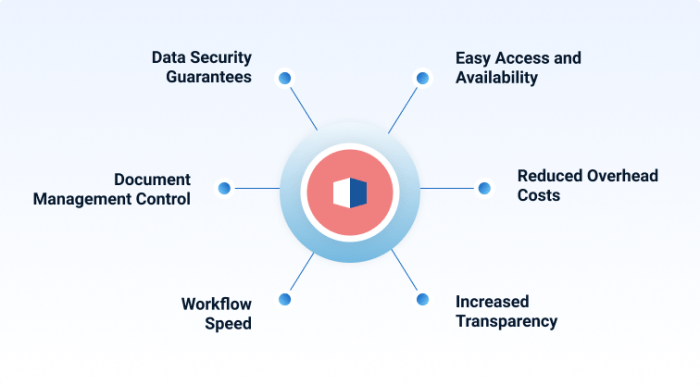
- Enhanced Security Features: VDRs offer robust encryption, access controls, and audit trails to protect sensitive information from unauthorized access or data breaches.
- Improved Efficiency: By digitizing the due diligence process, VDRs enable faster document sharing, collaboration among multiple parties, and streamlined workflows, saving time and reducing costs.
- Global Accessibility: With cloud-based VDRs, stakeholders from different locations can securely access and review documents, facilitating cross-border transactions and international deal-making.
- Compliance and Reporting: VDRs help private equity firms comply with data protection regulations, track user activity, and generate detailed reports for auditing purposes.
Security Features Comparison
In the digital age, ensuring the security of sensitive data is paramount for private equity firms. Virtual Data Room (VDR) providers offer a range of security features to safeguard confidential information from unauthorized access and breaches. Let’s explore the key security features offered by VDR providers and compare encryption standards across different platforms to understand their importance for private equity firms.
Encryption Standards
Encryption plays a vital role in protecting data stored in virtual data rooms. Different VDR providers may utilize various encryption standards to secure information. Some commonly used encryption protocols include:
- 256-bit AES Encryption: This is considered one of the most secure encryption standards, providing a high level of protection for data at rest and in transit.
- SSL/TLS Encryption: Secure Socket Layer (SSL) and Transport Layer Security (TLS) protocols encrypt data during transmission, ensuring secure communication between users and the VDR.
- Two-Factor Authentication (2FA): Adding an extra layer of security, 2FA requires users to provide two forms of identification before accessing the VDR, such as a password and a unique code sent to their mobile device.
Data Protection Protocols
Ensuring robust data protection protocols is crucial for private equity firms, given the highly sensitive nature of the information they handle. VDR providers implement various security measures to safeguard data, including:
- Role-Based Access Control: This feature allows administrators to define access levels and permissions for different users, ensuring that individuals only have access to the information necessary for their role.
- Watermarking: Watermarking documents with user-specific information adds an extra layer of security, deterring unauthorized sharing or distribution of files.
- Activity Tracking and Audit Logs: Monitoring user activity and maintaining detailed audit logs helps detect any suspicious behavior or unauthorized access attempts, enhancing overall security.
Pricing Models of Top VDR Providers
In the world of Virtual Data Rooms (VDRs), pricing models play a crucial role in the decision-making process for private equity firms. Understanding the cost implications and value proposition of different pricing plans offered by leading VDR providers in the US is essential for making an informed choice.
Let’s delve into the pricing structures of these top VDR providers and compare their offerings for private equity firms.
Subscription-Based Pricing
Subscription-based pricing is a common model offered by many VDR providers. Private equity firms typically pay a monthly or annual fee based on the features and storage capacity they require. This model allows for scalability and flexibility, making it suitable for firms of all sizes.
Some providers offer tiered pricing plans with varying levels of features, security, and support.
Per-Page Pricing
Another pricing model that some VDR providers offer is per-page pricing. In this model, private equity firms are charged based on the number of pages they upload or view within the VDR. While this model can be cost-effective for firms with sporadic usage, it may not be ideal for those with high document volumes or frequent activity.
Flat-Rate Pricing
Flat-rate pricing is a straightforward model where private equity firms pay a fixed amount for unlimited access to the VDR for a specified period. This model eliminates the need to track usage or worry about additional charges, providing predictability and ease of budgeting for firms.
However, the flat-rate pricing may not always be the most cost-effective option for firms with minimal usage.
Value Proposition of Pricing Plans
The value proposition of pricing plans offered by VDR providers lies in the balance between cost, features, security, and support. Private equity firms should assess their specific needs and priorities to determine which pricing model aligns best with their requirements.
Factors such as data security, user permissions, collaboration tools, customer service, and ease of use should all be considered when evaluating the value of a pricing plan.
Key Features and Functionality
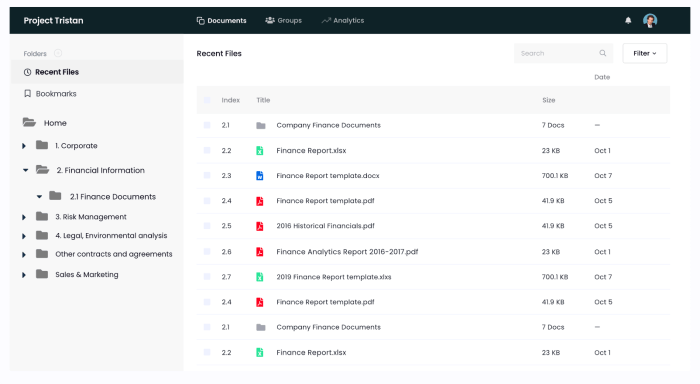
When choosing a Virtual Data Room (VDR) for a private equity firm, it is crucial to consider the key features and functionality that will best suit the specific needs of the firm. These features can significantly impact the efficiency and security of deal-making processes.
Let’s explore the essential aspects that private equity firms should look for in a VDR.
Essential Features for Private Equity Firms
- Granular Permissions: Private equity firms deal with sensitive financial information, so it is vital to have granular permissions to control access to documents and data.
- Q&A Module: A robust Q&A module allows for efficient communication between parties involved in the deal, streamlining the due diligence process.
- Watermarking and Tracking: Watermarking documents and tracking user activity ensure that confidential information remains secure and traceable.
- Advanced Search Functionality: The ability to quickly search and retrieve specific documents or data can save time and enhance productivity during due diligence.
- Mobile Accessibility: With the increasing need for flexibility, mobile accessibility enables users to access the VDR on-the-go, ensuring seamless deal management.
User Interface and Ease of Use Comparison
- Some VDR providers offer intuitive user interfaces with customizable dashboards, making it easier for private equity professionals to navigate and access critical information.
- Consider the learning curve associated with each VDR solution and choose one that aligns with the firm’s technical expertise and preferences.
- Look for VDRs that provide training and support to ensure a smooth onboarding process for the firm’s team members.
Customization Options for Private Equity Needs
- Custom Branding: The ability to customize the VDR with the firm’s logo and branding elements can enhance professionalism and reinforce the firm’s identity.
- Workflow Automation: Tailored workflows and automation features can streamline deal processes, improving efficiency and reducing manual errors.
- Integration Capabilities: Choose a VDR that offers integration with other tools and platforms used by the firm to ensure seamless collaboration and data management.
Last Point
As we conclude our exploration of Virtual Data Room providers tailored for US Private Equity Firms in 2026, it becomes evident that the right choice can significantly impact security, pricing, and overall functionality. Stay informed and equipped to make informed decisions in this dynamic sector.
Detailed FAQs
What are some key security features offered by VDR providers?
Common security features include end-to-end encryption, secure user permissions, watermarking, and audit trails to monitor data access.
How do pricing structures of VDR providers vary?
Pricing models can differ based on storage capacity, user licenses, and additional features like advanced reporting or dedicated customer support.
What essential features should private equity firms look for in a VDR?
Look for features like document watermarking, granular permission controls, Q&A functionality, and detailed analytics for efficient deal management.