Delving into Avoid Lawsuits: How to Vet & Hire the Right Corporate Litigation Attorney in California (Fees, Red Flags & 2026 Checklist), this introduction immerses readers in a unique and compelling narrative, with a casual formal language style that is both engaging and thought-provoking from the very first sentence.
Exploring the intricate process of selecting the right corporate litigation attorney in California can be a daunting task, filled with crucial decisions and considerations that could impact the outcome of legal matters.
Understanding Corporate Litigation Attorneys
Corporate litigation attorneys play a crucial role in representing businesses in legal disputes and litigation matters. They specialize in handling legal issues that arise within the corporate world, ensuring that companies comply with state and federal laws while protecting their rights and interests.
Common Legal Issues Handled by Corporate Litigation Attorneys
- Contract Disputes: Corporate litigation attorneys assist in resolving disputes related to breach of contract, non-performance, or ambiguous terms.
- Employment Disputes: They handle cases involving wrongful termination, discrimination, harassment, and wage disputes.
- Intellectual Property Disputes: Attorneys protect a company’s intellectual property rights, including trademarks, copyrights, and patents.
- Shareholder Disputes: They resolve conflicts between shareholders, directors, and officers of a corporation.
Importance of Hiring a Specialized Attorney for Corporate Legal Matters
When dealing with complex corporate legal issues, it is essential to hire a specialized corporate litigation attorney who has in-depth knowledge and experience in handling business-related disputes. These attorneys understand the nuances of corporate law and can provide strategic guidance to protect the company’s interests and navigate the legal system effectively.
Vetting Corporate Litigation Attorneys
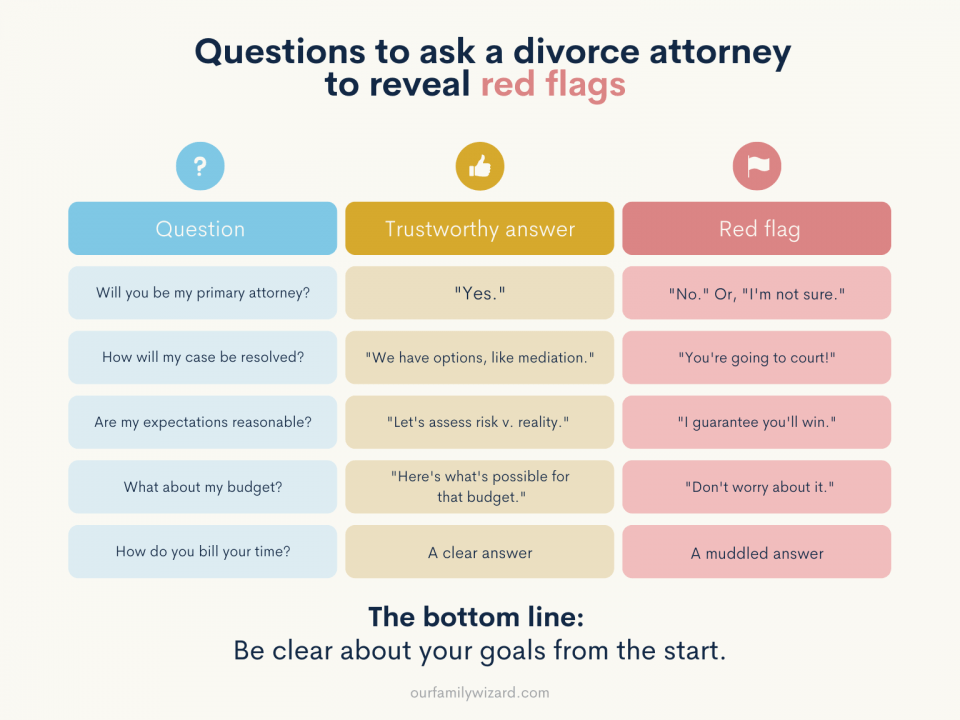
When vetting corporate litigation attorneys in California, it is crucial to follow a systematic approach to ensure you hire the right legal representation for your business. Here are the key steps involved in vetting corporate litigation attorneys and some red flags to watch out for during the process.
Assessing Experience and Expertise
- Review the attorney’s track record in handling corporate litigation cases similar to yours.
- Check for any disciplinary actions or complaints filed against the attorney with the State Bar of California.
- Consider the attorney’s reputation within the legal community and among past clients.
- Ask for references from past clients to get a better understanding of the attorney’s work ethic and success rate.
Identifying Red Flags
- Unwillingness to provide references or share details about past cases.
- Lack of transparency regarding fees and billing practices.
- Poor communication or unresponsiveness to your inquiries and concerns.
- Promises of guaranteed outcomes or unrealistic expectations about the success of your case.
Hiring the Right Corporate Litigation Attorney
When it comes to choosing a corporate litigation attorney, there are several key factors that you should consider to ensure you hire the right professional for your needs. From expertise to reputation, these factors can make a significant impact on the outcome of your case.
Significance of Fees and Fee Structures
Understanding the fees and fee structures of a corporate litigation attorney is crucial before making a decision. Here are some important points to consider:
- Transparency: Ensure that the attorney is transparent about their fees from the beginning. Ask for a detailed breakdown of all potential costs involved in your case.
- Hourly Rates vs. Contingency Fees: Consider whether the attorney charges hourly rates or works on a contingency fee basis. Determine which fee structure aligns best with your financial situation and the nature of your case.
- Additional Costs: Inquire about any additional costs that may arise during the litigation process, such as court fees, expert witness fees, or administrative expenses.
Tips on Negotiating Fees with Corporate Litigation Attorneys
Negotiating fees with a corporate litigation attorney can help you reach a mutually beneficial agreement. Here are some tips to keep in mind:
- Compare Rates: Research and compare the rates of different attorneys to have a better understanding of the standard fees in the industry.
- Discuss Payment Plans: If the attorney’s fees are beyond your budget, discuss the possibility of setting up a payment plan to manage the costs effectively.
- Clarify Fee Structures: Ensure that you fully understand the fee structures proposed by the attorney and negotiate any terms that are unclear or unreasonable.
Checklist for 2026
When looking to hire a corporate litigation attorney in 2026, it is crucial to have a checklist of essential criteria to ensure you make the right choice. With the legal landscape constantly evolving, it’s important to stay ahead of the curve and adapt your hiring process to align with future trends and changes in the industry.
Key Criteria for Hiring
- Experience: Look for an attorney with a proven track record in handling corporate litigation cases.
- Specialization: Ensure the attorney specializes in corporate law and has expertise in the specific area relevant to your case.
- Communication Skills: Choose an attorney who can effectively communicate complex legal concepts in a clear and concise manner.
- Reputation: Research the attorney’s reputation in the legal community and check for any disciplinary actions or complaints.
- Cost: Consider the attorney’s fees and billing structure to ensure it aligns with your budget and expectations.
Adapting to Future Legal Trends
In 2026, the legal landscape is expected to be shaped by advancements in technology, changes in regulatory frameworks, and evolving business practices. To adapt to these trends, it is essential to hire attorneys who are proactive, innovative, and adaptable. Look for attorneys who stay updated on the latest legal developments and are willing to embrace new technologies and strategies to ensure the best possible outcomes for your case.
Aligning Hiring Process with Future Trends
To align your hiring process with future legal trends, consider incorporating technology-driven tools such as AI-powered legal research platforms, virtual collaboration tools, and data analytics in the selection process. Additionally, prioritize attorneys who demonstrate a strong understanding of emerging legal issues, such as data privacy regulations, cybersecurity laws, and international trade agreements, to ensure your organization is well-equipped to navigate the complexities of the legal landscape in 2026.
Closure
In conclusion, navigating the realm of corporate litigation attorneys in California requires a keen eye for detail and a strategic approach to ensure the best legal representation for your business needs. By following the Artikeld guidelines, you can confidently make informed decisions in hiring the right attorney to safeguard your corporate interests.
FAQ Corner
What are the typical fees associated with hiring a corporate litigation attorney in California?
Fees for corporate litigation attorneys in California can vary significantly based on factors such as the attorney’s experience, the complexity of the case, and the billing structure. It’s essential to discuss fee arrangements upfront to avoid any surprises later on.
What are some red flags to watch out for when vetting potential corporate litigation attorneys?
Red flags when considering corporate litigation attorneys may include lack of experience in handling similar cases, poor communication skills, and a history of disciplinary actions. It’s crucial to thoroughly research and vet potential attorneys to ensure you choose the best fit for your legal needs.
How can I effectively negotiate fees with a corporate litigation attorney in California?
Negotiating fees with a corporate litigation attorney in California can involve discussing the scope of work, the estimated time involved, and exploring alternative fee structures such as flat fees or contingency arrangements. Open communication and clarity about expectations are key to reaching a mutually beneficial fee agreement.